The Ultimate Setup Guide for Your Vomero Premium Running Shoe
The Vomero Premium Running Shoe positions itself as a high-end option for runners seeking plush cushioning without sacrificing stability or long-distance comfort. This guide examines the Vomero Premium in depth: design and materials, performance characteristics, real-world use cases, setup tips for a perfect fit, and maintenance recommendations. Whether the reader is a daily trainer logging high weekly mileage, a marathoner chasing steady endurance, or a hybrid gym-and-road athlete, the following analysis helps clarify how the Vomero Premium performs and how to set it up to get the best experience.
Quick Overview
At its core, the Vomero Premium is designed for neutral runners who prioritize cushioning and durability. It aims to blend a responsive midsole with a softer ride, making it well suited to recovery runs, long steady efforts, and daily training. The shoe tends to attract buyers who value comfort over minimalism, appreciate modern foam technologies, and expect consistent cushioning across many miles.
Detailed Product Review and Analysis
Design and Materials
The Vomero Premium typically uses an engineered knit or engineered mesh upper that balances breathability with supportive structure. High-quality textile overlays are incorporated around the midfoot and heel to provide lockdown without adding unnecessary stiffness. The heel counter is usually structured enough to offer rearfoot containment, which helps maintain alignment during longer runs.
Reflective accents are commonly placed in key zones for low-light visibility, and the toe box tends to be roomy enough for natural toe splay yet narrow enough to avoid excessive movement. The tongue and collar padding support a comfortable sock-like feel while reducing hotspots. Attention to seam placement often reduces abrasion, a practical consideration for runners who log high weekly mileage.
Cushioning and Midsole Technology
The Vomero Premium emphasizes plush cushioning through a multi-density midsole. The primary foam layer delivers softness and shock absorption to cushion impact during long efforts. A firmer foam or stability element is often embedded medially to provide subtle guidance and prevent excessive inward roll, while maintaining the overall neutral ride.
For many runners, the midsole strikes a balance between energy return and impact protection. The stack height provides elevated cushioning without making the shoe feel ungainly, and the vertical drop is usually moderate to promote a smooth transition through the gait cycle. The overall effect is a forgiving platform that reduces fatigue when covering long distances.
Outsole and Traction
Durability is a key selling point: the outsole usually combines blown rubber in the forefoot areas for cushioning and hard-wearing carbon rubber in high-wear zones like the heel. The tread pattern is optimized for road running, offering a combination of deep flex grooves for natural movement and optimized contact patches for grip on wet pavement.
For runners who occasionally encounter light gravel or packed dirt paths, the Vomero Premium holds up well. It is not designed for technical trail use, so traction on loose or muddy surfaces will be less secure compared to trail-specific footwear.
Fit, Sizing, and Comfort
Fit remains a primary consideration. The Vomero Premium typically fits true to standard sizing for most runners, with a slightly accommodating volume in the forefoot for toe splay. Heel slip is minimal when the lacing system is adjusted correctly; the midfoot lockdown combines the upper's structure and the lacing pattern to hold the foot in place during faster sections.
Buyers who require wider fits or use custom orthotics should check width options and consider trying an in-store fit or ordering from vendors with flexible return policies. Sock choice can also meaningfully affect fit: thin technical socks promote a snug feel, while thicker socks may necessitate a half-size increase for some runners.
Looking for the best Electronics deals on Amazon?
View Offers →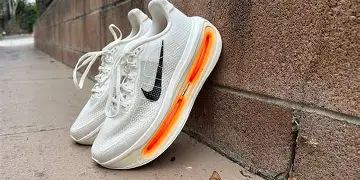
Performance and Use Cases
The Vomero Premium is best deployed as an everyday trainer for neutral runners aiming to accumulate consistent mileage with reduced joint stress. It works particularly well for:
- Long steady-state runs and marathon training weeks where impact reduction is prioritized.
- Recovery runs where softness and comfort aid in faster muscle turnover.
- Mixed-pace sessions where a balance of cushioning and mild responsiveness is desired.
For tempo intervals and short fast repeats, the Vomero Premium can still be serviceable, though runners seeking a race-day edge may prefer a lighter, more responsive racer. Heavier runners will appreciate the abundant cushioning and reinforced outsole, which often translate into extended durability compared to minimalist trainers.
Durability and Maintenance
Under typical road training conditions, the Vomero Premium should provide between 400 and 600 miles of service, depending on runner weight, running mechanics, and usage patterns. The outsole compound and midsole density play major roles in longevity; a firmer rubber under the heel and medial forefoot helps mitigate early breakdown.
Care recommendations include avoiding machine washing (which can degrade adhesives and foam), allowing shoes to air dry at room temperature if they become wet, and rotating shoes when logging high weekly mileage to let cushioning elements recover between sessions. For storage, keep the shoes out of direct sunlight and away from extreme heat, which accelerates foam degradation.
Pros & Cons
- Pros:
- Exceptional cushioning for long-distance comfort
- Balanced midsole that blends softness with moderate responsiveness
- Durable outsole compounds for extended mileage
- Supportive heel and secure midfoot lockdown
- Breathable upper and thoughtful seam placement to reduce hotspots
- Cons:
- Heavier than dedicated racing shoes
- Not suitable for technical trail running
- Some runners may find the forefoot a touch wide or too roomy depending on foot shape
- May feel less responsive for short, fast interval work
Comparison: Vomero Premium vs. Alternative Training Shoes
The following table compares the Vomero Premium with two representative alternatives: a lightweight tempo trainer and a stability-focused daily trainer. The goal is to highlight trade-offs so buyers can make informed choices based on priorities.
| Characteristic | Vomero Premium (Premium Cushioned Trainer) | Lightweight Tempo Trainer | Stability Daily Trainer |
|---|---|---|---|
| Primary Use | Long runs, recovery, daily mileage | Tempo runs, intervals, faster training | Long runs for overpronators, daily training with control |
| Ride | Plush, forgiving | Firm, responsive | Supportive, guided |
| Weight | Moderate to heavy | Light | Moderate |
| Durability | High (designed for mileage) | Moderate (lighter materials) | High |
| Suitability for Race Day | Good for long-distance comfort; not for max performance | Preferred for tempo races and shorter events | Good for longer races if stability is needed |
| Typical Buyer | Runners seeking comfort and durability | Runners seeking speed and lightness | Runners needing motion control or mild stability |
Buying Guide: How to Choose and Set Up the Vomero Premium
Choosing the Right Size and Fit
A proper fit begins with accurate foot measurements. Buyers should measure feet at the end of the day when feet are at their largest, or after a run if planning to buy for longer distances. Consider the following:
- Leave a thumb's width (about a half-inch) of space in the toe box for running to accommodate toe splay and slight swelling on long runs.
- Assess heel fit: a secure, non-slipping heel reduces blisters and improves efficiency. The heel counter should hold without causing pressure points.
- For those between sizes or who plan to use thicker socks or orthotics, sizing up by a half size may be beneficial.
Lacing and Fit Tuning
Proper lacing can transform comfort and performance. Common lacing strategies include:
- Heel lock (runner’s loop) to prevent heel slip without excessive tightening across the forefoot.
- Wide-foot adjustments: skip a lace hole near the toe box to reduce pressure on the upper if the forefoot is tight.
- Tighten the midfoot laces to improve lockdown for faster sections while maintaining a relaxed fit in the toe box for comfort.
Experimenting with different patterns during short runs helps identify the best configuration before attempting long efforts.
Breaking In the Vomero Premium
Although many modern trainers feel comfortable from the first wear, new shoes still benefit from a short break-in period. Recommended steps:
Looking for the best Electronics deals on Amazon?
See Deals →- Begin with a few short runs (20–30 minutes) to allow the upper and midsole to conform to the foot.
- Alternate with an older, trusted pair for longer runs during the first 50–100 miles to reduce the risk of unexpected fit issues.
- Monitor for hotspots or unusual pressure points and adjust lacing or sock choice as needed.
Using Insoles and Orthotics
The Vomero Premium usually accommodates standard aftermarket insoles and most custom orthotics without major fit compromises. When adding an insole:
- Remove the factory insole and test the new insole for fit and volume. If the shoe feels too tight, consider a half size up or a thinner insole.
- Custom orthotics can improve alignment and comfort, especially for runners with specific biomechanical needs, but they may change the perceived cushioning and ride.
Pairing with Electronics and Sensors
Given the overlap between footwear and wearable electronics in modern training, the Vomero Premium integrates well with common sensors and gadgets:
- Cadence sensors or footpods can be clipped to the shoelace or attached to the midsole for stride and ground-contact analytics. Ensure the attachment method does not compromise comfort or create abrasion against the upper.
- Pressure-sensing insoles exist for gait analysis and can be used inside the Vomero Premium, though buyers should confirm the insole thickness and compatibility with the shoe volume.
- Pairing a GPS watch or running app with shoe-based effort profiling helps track mileage and rotation schedules without direct integration into the shoe.
Runners who use sensors should test attachments during short runs to avoid unexpected movement or pressure in longer sessions.
Care, Cleaning, and Storage
Proper care extends the life of the Vomero Premium:
- Spot-clean the upper with a soft brush and mild soap; avoid soaking the shoe for prolonged periods to protect adhesives.
- Air dry at room temperature, removing the insole to speed drying. Avoid direct heat sources like radiators which can warp foam.
- Rotate shoes when possible—alternating two pairs allows foam to decompress between runs and reduces overall wear.
- Inspect tread and midsole compression regularly; replace shoes when heel-to-toe transition or cushioning noticeably deteriorates.
Real-World Use Cases and What Buyers Typically Care About
Understanding how the Vomero Premium performs in practice helps prospective buyers set realistic expectations. Common buyer concerns and how the Vomero addresses them:
- Comfort on long runs: Runners preparing for half-marathons or marathons frequently choose the Vomero Premium for its shock absorption and reduced fatigue profile.
- Durability for high-mileage training: Daily trainers and high-mileage runners appreciate the reinforced outsole and stable foam density, which together stretch the useful life of the shoe.
- Weight vs. cushioning trade-off: Those who prioritize speed may find the shoe heavier than race-oriented options; the Vomero rewards endurance and comfort rather than lightness.
- Fit for different foot shapes: Buyers with wider forefeet should assess fit carefully—some may need a wide option or different lacing to achieve optimal comfort.
- Versatility: For runners who mix treadmill, road, and occasional packed dirt routes, the shoe performs reliably, but technical trails remain outside its design envelope.
In reviews and community feedback, longevity, consistent cushioning, and a comfortable upper often top the list of positive attributes. Conversely, comments about weight and limited responsiveness for fast workouts appear most frequently among critiques.
Conclusion
The Vomero Premium Running Shoe presents a compelling package for runners who value cushioning, durability, and a stable, comfortable platform for accumulating miles. Its design and materials support long-distance comfort and daily training needs, while simple setup steps—correct sizing, lacing adjustments, and sensible break-in routines—ensure an optimal fit. When paired with appropriate maintenance and thoughtful rotation, the Vomero Premium becomes a reliable tool in an athlete's footwear rotation, particularly for those prioritizing injury prevention, recovery runs, and endurance training. Buyers should weigh priorities such as weight, responsiveness, and fit against the shoe's strengths to determine if it aligns with individual training goals and gait mechanics.