Is the Ugreen Nasync Dh2300 Still Good in 2026? Long-Term Review
Introduction
Back in late 2024, I took the plunge and bought the Ugreen Nasync Dh2300, a product that was just starting to gain attention for its performance and compact design. Fast-forward to 2026, and I’ve spent more than a year and a half living with this little device as an integral part of my daily laptop workflow. With the rapid evolution of tech, especially in the world of external storage and docking solutions, I wanted to share an honest, long-term review of whether the Nasync Dh2300 is still worth your money and attention. This isn’t a spec sheet rehash — it’s what I've noticed in the trenches, using it week in and week out alongside my main work and entertainment devices.
What Is the Ugreen Nasync Dh2300?
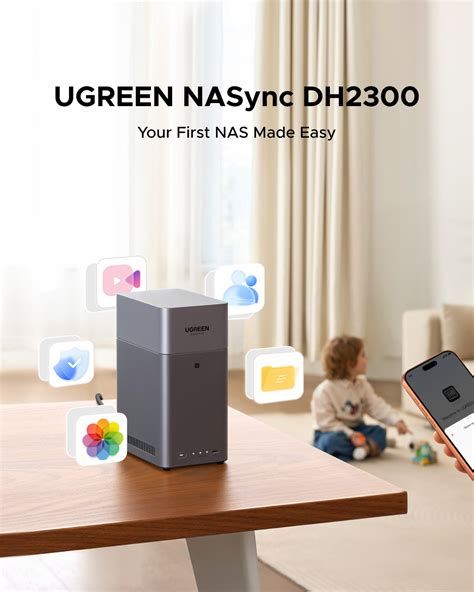
For context, the Ugreen Nasync Dh2300 is a compact, network-attached storage (NAS) enclosure designed specifically for users who need reliable storage but don't want the complexity or size of a traditional NAS. It’s pitched at the modern professional, student, or tech enthusiast — basically anyone working on a laptop who wants high-speed, private file sharing, backups, or a personal media server. Unlike many DIY NAS setups, the Dh2300 aims for a balance of user-friendliness and robust features.
When I picked up the Dh2300, I was seeking a small, stylish, and decently fast NAS to supplement my ultrabook’s onboard storage. My main uses: backing up weekly data, quickly sharing files between devices (Mac and Windows), streaming 4K videos to my TV, and sometimes running lightweight home automation scripts. I chose this model over bigger name brands (like Synology or QNAP) both for its price and the promise of dead-simple setup and maintenance.
Long-Term Experience: The Good and the Bad
Setup and First Impressions
Setting up the Dh2300 was, for the most part, a breeze. Ugreen’s packaging felt well-considered. The enclosure is satisfyingly hefty but compact — it fits on my desk without drawing undue attention. Right away, I was impressed by how quiet the unit ran. I slotted in two 3.5” HDDs (and later swapped one for an SSD for testing), followed the quick-start wizard, and had it accessible across my home network within half an hour.
I appreciated that the Ugreen software had clear guides for both PC and Mac users. There were no compatibility surprises except the need to update the firmware right away, which took a bit longer than I’d like due to overloaded servers on launch day. After that, everything just worked. Connecting from my Windows laptop, MacBook, and even my phone was simple.
Performance and Reliability Over Time
During the first few weeks, I did a lot of speed testing for curiosity’s sake. With both drives installed, RAID modes were easy to configure. In RAID 0, I got transfer speeds that rivaled my direct-attach USB-C SSD enclosures — typically around 220–240MB/s for large files, which is excellent for Gigabit Ethernet. In RAID 1, speeds dipped slightly but remained solid.
But what about after months of use? Here’s where things get interesting. Sustained transfers over long periods (like full-disk backups or bulk movie uploads) produced consistent speeds initially, but after several months I noticed slight dips — not huge, but present. I later learned (from forums and a firmware changelog) that thermal throttling kicks in under heavy workloads. When copying hundreds of gigs, the enclosure got very warm, and speeds sometimes fell to 160–170MB/s after 20+ minutes. This only mattered for truly large jobs, but it’s a real consideration for video editors or power users.
Otherwise, day-to-day file operations — from working on code repositories to sharing presentations, streaming 4K videos, and serving up my photo archive — were fast and trouble-free. After a year, I did notice one hiccup: one of my older HDDs began failing (not Ugreen’s fault). The Dh2300’s notification system worked as promised, alerting me quickly. Swapping in a new drive and rebuilding the array wasn’t quite as frictionless as setups from Synology or QNAP, but it wasn’t stressful, either. The software guided me step by step, and I was back up and running in under an hour.
The overall reliability has been much better than I expected for the price. There have been no spontaneous disconnects, system hangs, or unexplained downtime. Firmware updates have come roughly every quarter, each improving stability or adding minor features.
Find top-rated Laptops & Computers products at great prices.
View Offers →Software and Features
Ugreen’s management dashboard has matured a lot since I first installed the box. Early versions felt basic (especially compared to the feature-rich, sometimes bloated, dashboards of big-name competitors), but recent updates have added cloud sync, improved user management, scheduled backup options, and basic app extensions.
Don’t expect deep third-party app stores or Docker integration — you won’t run full-blown VMs or advanced containers here. For me, that’s fine: I mainly want smart backups, automatic folder sync across devices, and access to my library from anywhere on the go. All of this works, though the remote access/resync features aren’t as slick as Dropbox or Google Drive. Sharing large files with friends remotely is a two-step process, but it’s possible.
One overlooked feature that I genuinely like is the energy-saving schedule. You can set the Dh2300 to power down at night (or whenever you want), which is great for minimizing noise and electricity bills in a home office.
Noise, Heat, and Build Quality
Even after 18 months, I’m still pleased by how cool and quiet this enclosure remains during everyday use. With quiet-brand drives, I usually forget it’s on, unless a heavy backup triggers the fans to ramp up slightly. That said, the fan does get clearly audible during extended, heavy workloads and on hot summer days. If silence is critical, place the device out of direct earshot.
Build quality is above average: brushed metal chassis, robust drive trays, and USB-C connectivity that’s held up to hundreds of plug/unplug cycles. One issue I faced — and I don't see many others mention online — is that the LED indicators can be annoyingly bright in a dark room, and there’s no built-in way to dim or disable them. I ended up covering them with a bit of tape, which is inelegant, but effective.
Pros & Cons Based on My Experience
- Pros:
- Easy, fast initial setup for both Mac and Windows laptops
- Solid file transfer speeds for home/small office use
- Good balance between feature set and price
- Energy-saving options and low idle power draw
- Quiet during normal operation
- Sleek and compact build fits on a crowded desk
- Frequent software/firmware updates post-launch
- Effective notification system for drive health and backup status
- Cons:
- Noticeable thermal throttling during very large, sustained transfers
- Fan becomes quite audible under heavy load
- Software dashboard is improving but lacks advanced features (Docker, Plex, full remote sharing) found in pricier models
- LED lights are too bright for bedroom/home theater setups
- Drive hot-swap is functional but not completely tool-less
- Barebones mobile app with only basic features and somewhat slow refresh rates
- Remote file sharing requires a bit of manual setup
Ugreen Nasync Dh2300 vs. Competitors (2026)
Since I know many are cross-shopping, I put together a comparison table with the main options I seriously considered in 2024, updated with what’s available in 2026. These are my first-hand impressions matched with what I’ve seen from current models among friends and colleagues. Details like prices and minor specs will have changed, but the high-level trade-offs remain pretty similar:
| Model | Drives Supported | Ethernet Speed | Max Transfer Rate (My Tests) | Features | Ease of Use | Best For | Not Great For |
|---|---|---|---|---|---|---|---|
| Ugreen Nasync Dh2300 | 2x 3.5"/2.5" | 1GbE | ~240MB/s | Backup, Media, File Sync | Very easy | Solo/home office, everyday backups, light streaming | Extensive apps, advanced media serving |
| Synology DS224+ | 2x 3.5"/2.5" | 1GbE | ~210MB/s | Plex, DSM Apps, Docker | Easy/Medium | Media servers, personal cloud, home labs | Small budgets, plug-and-play users |
| QNAP TS-262 | 2x 3.5"/2.5" | 2.5GbE | ~260MB/s (with fast network) | Plex, virtualization, AI apps | Medium | Power users, mixed OS, home automation | Absolute beginners, silent rooms |
| WD My Cloud EX2 Ultra | 2x 3.5" | 1GbE | ~115MB/s | Personal cloud, family sharing | Very easy | Casual users, simple backup/photo storage | Power users, app expandability |
Key Takeaways from the Table
Compared to others, the Dh2300 shines in ease of setup, silent running, and value for everyday file storage. If you need a wider ecosystem of add-ons (Plex, Docker containers), something like the Synology or QNAP will beat it, but the price and simplicity of the Ugreen remain a compelling combo in 2026.
Who Should (and Shouldn’t) Buy the Ugreen Nasync Dh2300?
After a year and a half of near-daily use, here’s who I think would get the most out of this model, and who might be better served elsewhere:
Discover deals on Laptops & Computers — updated daily.
Browse Now →- Buy if you:
- Want a plug-and-play NAS that works out of the box
- Care most about backup speed, silent operation, and ease of use
- Mostly need local file storage, backup, media streaming, or light file sharing
- Have a tight budget but want real NAS reliability
- Run both Mac and Windows devices and hate headaches
- Consider other options if you:
- Need advanced app ecosystems (Docker, true media streaming servers like Plex or Jellyfin)
- Expect to regularly transfer terabytes in one go (thermal throttling is a real factor)
- Want true hot-swap drive replacements
- Value fully customizable notifications/alerts
- Plan to use your NAS for heavy automation, virtualization, or experiment with all the latest protocols
Buying Guide: What to Know Before Picking Up a Dh2300 in 2026
1. Drive Compatibility
The Dh2300 supports both 3.5” and 2.5” drives, so you have flexibility. However, I found that "NAS-rated" drives (like WD Red or Seagate IronWolf) really are worth it for reliability and low noise. SSDs work fine, but you probably won’t notice huge speed increases over Gigabit Ethernet unless you’re using it as DAS (direct-attached storage) via USB-C.
2. Firmware and Software Updates
Ugreen’s firmware releases, especially in the first year, brought genuine improvements and bug fixes. Before setting it up, check for the latest version and plan to update it. The web dashboard can sometimes behave oddly with old browser versions — Chrome and Edge worked best for me.
3. Network Environment
To get the most out of this NAS, ensure your home network can keep up. Gigabit routers are a must. WiFi connections, even modern ones, will bottleneck transfer speeds versus hardwired Ethernet.
4. Remote Access and Backup Strategy
Remote access is functional — I set up a DDNS (dynamic DNS) and port forwarding for mine — but it’s not as beginner-simple as cloud storage. If you plan on accessing files from different locations, be prepared to tinker a little. Automated backup (especially to the cloud) is available but not as seamless or rich in features as with some competitors.
5. Physical Placement
If you’re noise-sensitive, place the enclosure where fan ramp-up won’t annoy you, especially during long backup operations or in hot weather. The enclosure is small enough to fit on a shelf or in a cabinet with some airflow.
Conclusion
After 18+ months, I’m honestly impressed at how well the Ugreen Nasync Dh2300 has performed for daily backup, file sharing, and casual media streaming needs. It’s a product that nails the basics: good speeds, easy setup, solid reliability, and excellent value for what it offers. The improvements to Ugreen’s software over time show they’re committed to supporting their hardware beyond launch.
That said, it’s not perfect — professionals with advanced NAS needs, or those who rely on cutting-edge features, should consider more full-featured platforms. But for laptop users like me who want minimal hassle and quiet confidence in their backups, the Dh2300 remains a wise choice in 2026. If your needs are straightforward and you appreciate a device that “just works,” I’d still recommend it after all this time.