Difference Between Skullcandy Method 360 Anc and Samsung Hw S60D Explained
Category: Audio
Introduction
When choosing audio gear, buyers often compare devices that serve different use cases: personal, portable listening versus shared, room-filling sound. The Skullcandy Method 360 Anc and the Samsung Hw S60D fall into those two broad categories. One is a set of personal Active Noise Cancelling (ANC) headphones built for mobility and private listening; the other is a compact home soundbar engineered to improve TV audio and provide a simple home-theater upgrade. This article explains the practical differences between them, breaks down strengths and weaknesses, and helps readers decide which device better fits their needs based on real-world use cases and typical buyer considerations.
Product overviews
Skullcandy Method 360 Anc — personal ANC headphones
The Skullcandy Method 360 Anc is positioned as a personal listening solution that emphasizes portability, comfort, and noise control. As an ANC-equipped headphone, it isolates the listener from ambient noise and is designed for one-on-one listening scenarios: commuting, air travel, office concentration, or private media consumption on a laptop or phone. Key selling points typically include on-device controls, wireless Bluetooth connectivity, a compact form factor for travel, and a design that balances comfort with passive isolation.
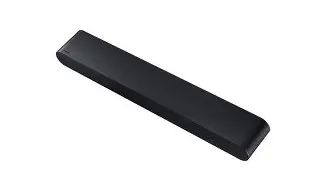
Samsung Hw S60D — compact home soundbar
The Samsung Hw S60D is a home audio product intended primarily to enhance TV sound. Soundbars like the HW-S60D aim to deliver clearer dialogue, wider soundstage than built-in TV speakers, and a more cinematic experience for movies and TV shows. This class of device focuses on integration with the TV (HDMI eARC/ARC, optical), simple setup, and features such as virtual surround processing or support for immersive audio formats. Unlike headphones, a soundbar is shared audio for a room rather than a personal device.
Detailed analysis: how they differ by function
Primary purpose and listening context
The most fundamental difference is use case. Skullcandy Method 360 Anc is for private listening: the user wears the device and experiences sound directly. It excels in noisy environments where ANC and isolation improve listening. The Samsung Hw S60D, by contrast, is meant for shared spaces — the living room, bedroom, or office — where a single audio source needs to reach multiple listeners and integrate with a television or streaming device.
Sound presentation and soundstage
Headphones and soundbars deliver sound very differently. Headphones provide a highly intimate, source-centric presentation with precise imaging in a two-ear field. The Method 360 Anc will likely present strong direct sound, with bass felt by the wearer and clarity tailored to individual perception. The Hw S60D projects sound into the room; perceived width and scale depend on room acoustics and placement. Soundbars commonly use driver arrays and digital signal processing to simulate wider soundstages and to emphasize clear dialogue.
Active Noise Cancellation vs. room acoustics
Active Noise Cancellation (ANC) is a headphone feature that removes low-frequency ambient noise for the listener. For commuters and frequent flyers, good ANC can be transformative. A soundbar cannot provide ANC for a room; it interacts with room acoustics instead. Where ANC reduces unwanted external noise for an individual, a soundbar’s sonic improvements are about clarity and immersion rather than blocking room noise.
Connectivity and integration
Connectivity expectations differ. The Skullcandy Method 360 Anc primarily relies on Bluetooth and is designed to pair with phones, tablets, and laptops. Priorities include codec support (for better wireless fidelity), low-latency behavior for video/gaming, and multi-device pairing convenience. The Samsung Hw S60D is built to connect to a TV and home entertainment sources — HDMI eARC/ARC, optical input, and sometimes Bluetooth for music streaming from phones. For TV users, features such as lip-sync, HDMI pass-through, and compatibility with TV audio modes are critical.
Discover deals on Audio & Headphones — updated daily.
Shop Amazon →Portability and power
Skullcandy’s headphones are battery powered and intended to travel; their performance includes battery life, charging speed, and on-board controls. The Hw S60D requires mains power and is stationary once installed. Portability is a decisive factor: the headphone can be used outdoors and on planes; the soundbar remains a home fixture.
Microphone and communication
For people who take calls or use voice assistants frequently, headphones usually provide an integrated microphone optimized for near-field voice pickup. Skullcandy’s headset will be better for calls and voice commands. Soundbars might offer voice control features tied to the TV or smart assistants, but they are not suited for private two-way phone calls unless paired with a separate voice-mic setup.
Installation and room placement
Soundbar performance is influenced by room size and placement — below or above the TV, distance to walls, and presence of a subwoofer. The Hw S60D should be considered in light of the user’s room layout. Headphones require no installation and are nearly immune to room acoustics, simplifying the user experience.
Comparison table
| Feature | Skullcandy Method 360 Anc | Samsung Hw S60D |
|---|---|---|
| Product type | Personal ANC headphone (wearable) | Compact home soundbar (room audio) |
| Primary use | Private listening, travel, calls | TV audio enhancement, shared listening |
| Noise control | Active Noise Cancellation for wearer | None — relies on room acoustics |
| Connectivity | Bluetooth (phone, tablet, PC) | HDMI eARC/ARC, optical, Bluetooth (TV-focused) |
| Portability | High — battery-powered and portable | Low — mains powered and stationary |
| Best for | Commuters, remote workers, personal gaming | Movie nights, TV dialogue clarity, shared music |
| Call handling | Designed for calls with on-board mic | Not ideal for private calls; better for voice assistants |
| Setup complexity | Very simple — pair and play | Simple to moderate — connect to TV and adjust modes |
| Room impact | None — delivers consistent sound to wearer | Highly dependent on room size and placement |
Pros & cons
Skullcandy Method 360 Anc — pros
- Portable and self-contained: easy to use on the go and requires no room setup.
- Active Noise Cancellation helps in noisy environments such as planes and public transit.
- Private listening with good isolation, making it suitable for late-night sessions without disturbing others.
- On-device controls and integrated microphone for calls and voice assistant use.
Skullcandy Method 360 Anc — cons
- Sound experience is personal only — not suitable for sharing audio with others in a room.
- Battery dependency: needs periodic charging for long trips.
- Performance can vary with fit; comfort and seal influence ANC and bass response.
- Bluetooth limitations: wireless codecs and latency vary by device and pairing.
Samsung Hw S60D — pros
- Enhances TV sound significantly compared with built-in TV speakers; improves dialogue clarity and impact for movies.
- Simple setup with modern TVs via HDMI eARC/ARC or optical connection.
- Shared listening experience for groups and family rooms.
- May offer virtual surround processing or audio modes optimized for movies, music, and speech.
Samsung Hw S60D — cons
- Not portable; intended to remain in one room.
- Room acoustics and placement materially affect perceived performance.
- Does not offer ANC or private listening — people nearby will hear all sound.
- May require additional components (subwoofer or surround speakers) for deeper bass or full surround immersion.
Real-world use cases and buyer priorities
Buyers generally focus on how a product will fit into their daily habits. The following scenarios illustrate typical priorities:
Commuter who needs focus
A daily train or bus commuter prioritizes ANC, fit comfort, and battery reliability. Skullcandy’s ANC headphones provide a direct benefit here by reducing engine or crowd noise and allowing the listener to enjoy music or podcasts at lower, safer volumes. Buyers in this segment care about passive isolation, portability (folding or carrying case), and call quality for phone calls on the go.
Apartment dweller who watches TV with others
Someone living with roommates or family and who watches TV together will value improved dialogue clarity and shared listening. The Hw S60D offers an immediate step up from thin TV speakers, making dialogue easier to understand and enhancing cinematic sound. Buyers will evaluate how the soundbar fits beneath their TV and whether the unit integrates cleanly with the TV’s remote or sound modes.
Casual gamer who wants low latency
Latency matters for gaming. Headphones connected over Bluetooth may introduce variable latency unless a low-latency codec or wired option is available. For casual gamers, Skullcandy’s headset is attractive for private play and communication with teammates. Conversely, a soundbar can be a good option for console gaming if it supports low-latency passthrough and provides a fuller sound for explosions and music; however, microphones and in-game chat still usually rely on separate headsets.
Movie enthusiast seeking cinema feel
For someone who prioritizes immersive movies, the soundbar — possibly paired with a subwoofer or surround modules — will outperform headphones when multiple listeners are present. Buyers should consider whether the soundbar supports immersive audio formats and whether the room can accommodate the necessary placement for surround effect.
Find top-rated Audio & Headphones products at great prices.
Browse Now →Buying guide — how to choose between them
Choosing between the Skullcandy Method 360 Anc and the Samsung Hw S60D comes down to three practical questions:
- Who is the primary listener? If audio is primarily for one person (commuting, work calls, focused music listening), headphones are the logical choice. If audio is shared by a group watching TV or playing console games in a living room, a soundbar is the better fit.
- Where will it be used? Portability favors headphones. For a fixed living-room setup, a soundbar integrates with the TV and enhances the viewing experience for everyone.
- What content is most important? For podcasts and music in noisy environments, ANC headphones preserve clarity and reduce background distractions. For dialogue-heavy TV shows and movie soundtracks that benefit from wider soundstages, a soundbar improves clarity and presence.
Other practical considerations:
- Connectivity: Confirm the TV’s available outputs (HDMI eARC, ARC, optical) and whether the soundbar supports them. For headphones, check Bluetooth codec support and whether a wired mode is available for critical listening or gaming.
- Space and placement: Measure the space below or above the TV to ensure a soundbar fits without obstructing the screen or IR sensors. Headphones need to be comfortable for extended wear and fit well with glasses or head shape.
- Future expandability: Some soundbars can be paired with wireless subwoofers or rear speakers later. If a more complete home-theater upgrade is planned, check for expandability.
- Call quality and microphones: If frequent calls are expected, read microphone performance notes and hands-free behavior for the headphones. Soundbars generally do not replace private call functionality.
- Budget and value: Compare total value rather than sticker price — a modest soundbar can dramatically improve TV sound, while mid-range ANC headphones can be a life-changing travel upgrade. Consider long-term usage patterns.
Maintenance, durability, and long-term considerations
Headphones and soundbars differ in maintenance patterns. Headphone pads and hinges wear with daily use; replaceable pads or a robust hinge design improves longevity. Battery degradation is another long-term concern for wireless headphones — batteries may lose capacity over years. Soundbars, being mains-powered, avoid battery wear but can suffer driver wear or cosmetic damage from dust; regular dusting and correct placement minimize risk.
Warranty and support are also important. Buyers should check manufacturer warranty terms and local repair support for both headphones and soundbars, since repairability and replacement parts vary significantly across brands and regions.

Conclusion
The Skullcandy Method 360 Anc and the Samsung Hw S60D serve different but complementary roles in everyday listening. The Method 360 Anc is a personal tool: portable, ANC-equipped, and optimized for private use, calls, and on-the-go music consumption. The Hw S60D is a home-focused product that enhances TV audio for shared viewing and provides a simple path to a more cinematic living-room experience.
Deciding between them hinges on lifestyle and listening context. For frequent travelers, commuters, or those who need private, focused listening with ANC and call capabilities, headphones are the stronger choice. For people who want to upgrade TV sound, host movie nights, or improve dialogue intelligibility in a shared space, the soundbar is more suitable. In many households, the two are not mutually exclusive: a good soundbar for the living room and a quality pair of ANC headphones for travel can together cover nearly all listening scenarios.